New Hampshire 2026: Tourism, Small Business and New England Growth
Published: March 2026 | New Hampshire Economic & Infrastructure Report
New Hampshire in 2026 offers a balanced and resilient economy driven by tourism, small business development, advanced manufacturing, and its strategic location within New England. The state benefits from proximity to major markets like Boston while maintaining a distinct economic identity.
With no state income tax and a business-friendly environment, New Hampshire continues to attract entrepreneurs, remote workers, and investment.
Top Cities in New Hampshire
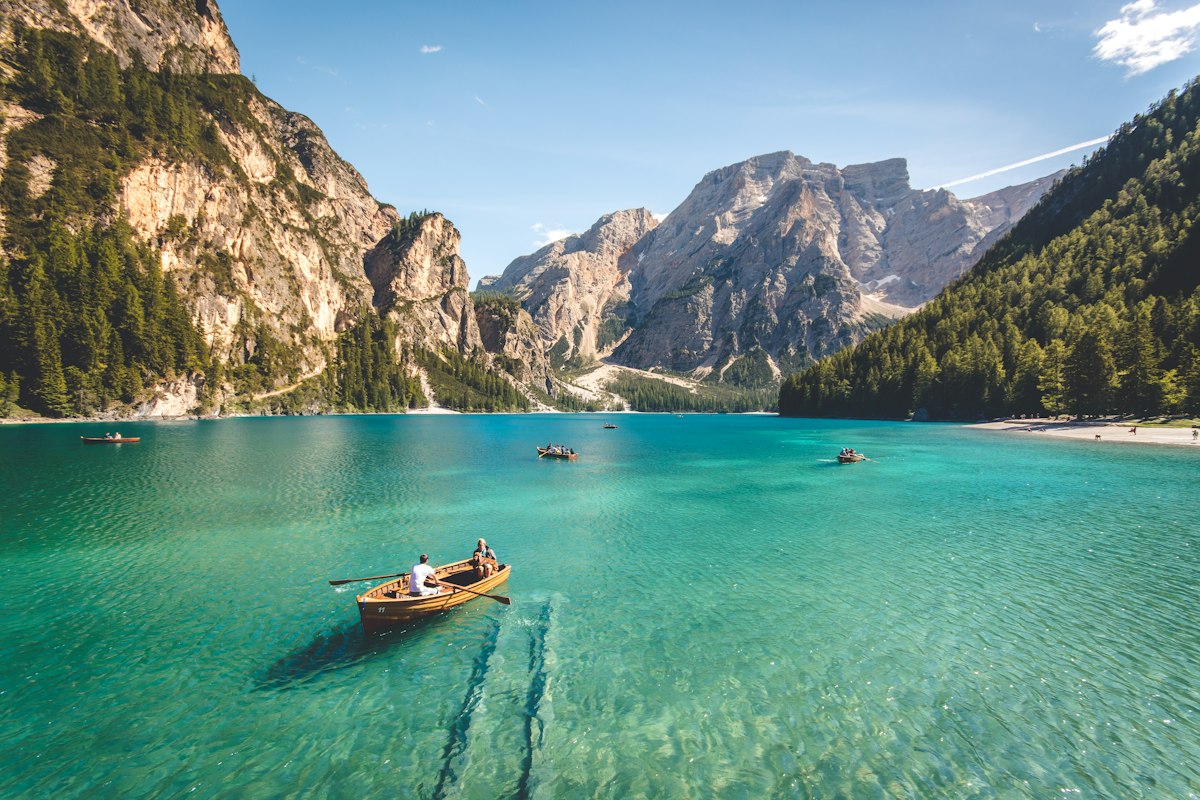
These cities serve as the primary economic and population centers across New Hampshire, supporting healthcare, education, retail, and regional services.
All New Hampshire Cities and Communities (Expanded List)
This expanded list highlights cities and communities across New Hampshire, reflecting its mix of urban centers, small towns, and rural areas.
- Manchester
- Nashua
- Concord
- Dover
- Rochester
- Salem
- Merrimack
- Londonderry
- Keene
- Portsmouth
- Laconia
- Berlin
- Claremont
- Lebanon
- Exeter
- Durham
- Peterborough
- Hanover
- Plymouth
- Hudson
- Bedford
- Goffstown
- Hooksett
- Amherst
- Milford
- Windham
- Derry
- Tilton
- Franklin
- North Conway
Economic Drivers in New Hampshire
Tourism is one of the most important economic drivers in New Hampshire, with visitors attracted to the White Mountains, lakes, and coastal areas. Seasonal tourism supports hospitality, retail, and recreation industries throughout the state.
Advanced manufacturing plays a key role, including precision instruments, electronics, and aerospace components. These industries contribute to high-value production and export activity.
Small businesses and entrepreneurship are central to the economy, supported by favorable tax policies and a strong local business culture. Healthcare and education also provide stability and employment across regions.
Regional Economic Landscape
Southern New Hampshire, including Nashua and Manchester, is closely tied to the Boston metropolitan area, benefiting from technology, finance, and commuting patterns.
Central regions support government services, education, and regional commerce, particularly around Concord. Northern areas rely more on tourism, forestry, and outdoor recreation.
The Seacoast region, including Portsmouth, combines tourism, maritime activity, and small business growth, making it one of the most dynamic areas in the state.
What Tourists Look for in New Hampshire
New Hampshire attracts visitors seeking natural beauty, outdoor recreation, and seasonal experiences.
Tourists explore the White Mountains for hiking, skiing, and scenic drives, particularly during fall foliage season. Lakes Region destinations offer boating, fishing, and summer tourism activities.
The Seacoast area provides beaches, historic towns, and dining experiences, while small towns across the state offer local culture, shopping, and festivals.
Visitors value accessibility, quiet destinations, and a mix of outdoor adventure with traditional New England charm.
Why New Hampshire Matters in 2026
New Hampshire’s economy stands out for its balance between tourism, manufacturing, and small business growth. Its location within New England and proximity to major cities provide both opportunity and stability.
With continued investment in infrastructure, tourism, and innovation, New Hampshire is expected to maintain steady and sustainable economic growth.
Internal Links
USA States Directory | New Hampshire State Page
Frequently Asked Questions
What are the largest cities in New Hampshire?
Manchester, Nashua, and Concord are the largest cities.
What drives New Hampshire’s economy?
Tourism, manufacturing, small businesses, and healthcare are key sectors.
Why do tourists visit New Hampshire?
Visitors come for mountains, lakes, fall foliage, and outdoor recreation.