Montana 2026: Tourism, Natural Resources and Western Growth
Published: March 2026 | Montana Economic & Infrastructure Report
Montana in 2026 continues to stand out for its vast natural landscapes, resource-based industries, and growing tourism economy. Known as “Big Sky Country,” the state plays an important role in energy production, agriculture, and outdoor recreation.
While its population remains relatively small, Montana has seen increased interest from remote workers, investors, and businesses seeking space, affordability, and quality of life.
Top Cities in Montana
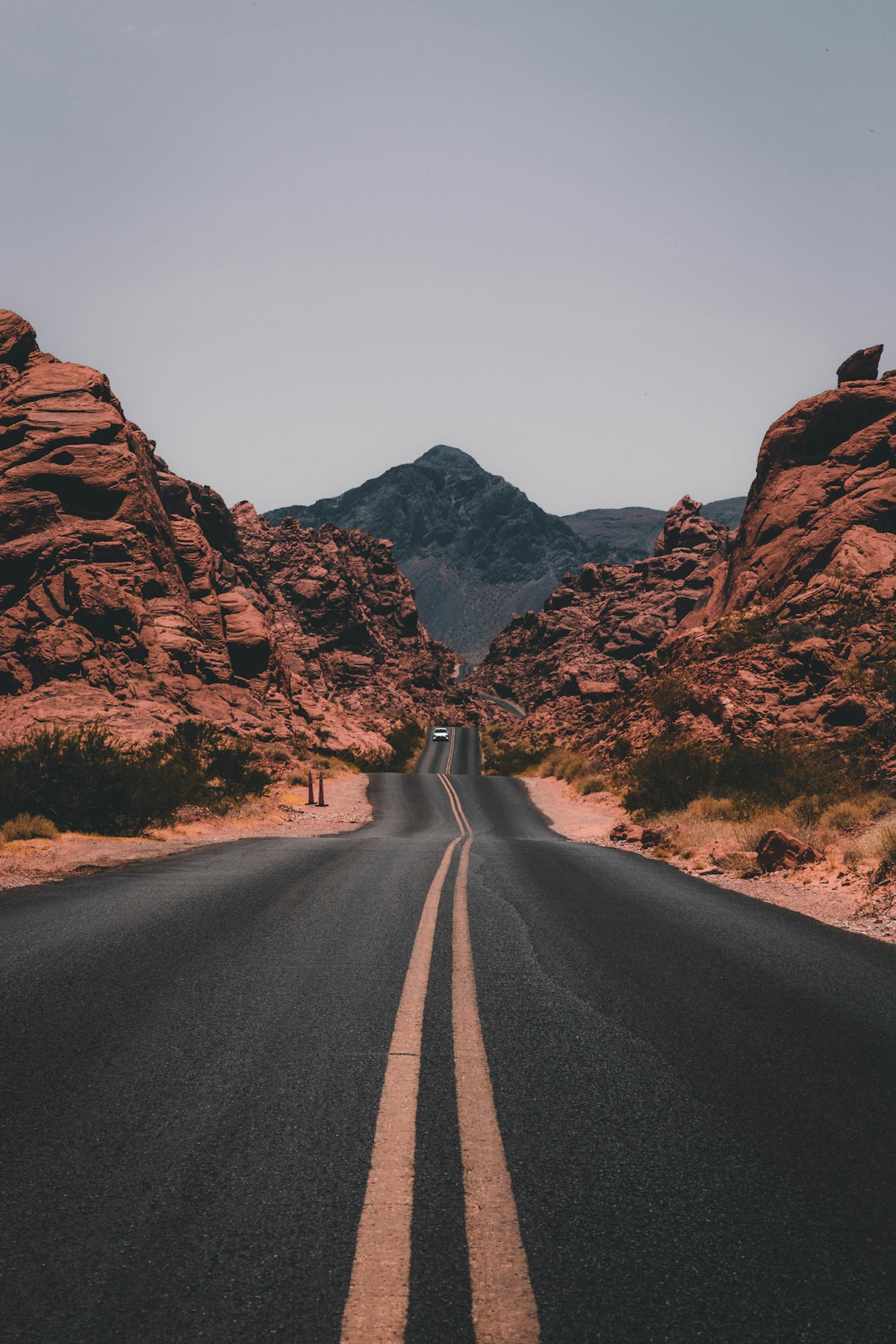
These cities represent Montana’s primary economic and population centers, supporting tourism, healthcare, education, and regional services.
All Montana Cities and Communities (Expanded List)
This expanded list highlights cities and communities across Montana, reflecting its mix of small towns, rural areas, and regional hubs.
- Billings
- Missoula
- Great Falls
- Bozeman
- Butte
- Helena
- Kalispell
- Havre
- Anaconda
- Miles City
- Whitefish
- Lewistown
- Glendive
- Polson
- Sidney
- Libby
- Dillon
- Columbia Falls
- Stevensville
- Red Lodge
- Bigfork
- Ennis
- Fort Benton
- Cut Bank
- Deer Lodge
- Roundup
- Hamilton
- Choteau
- Wolf Point
- Shelby
Economic Drivers in Montana
Tourism is one of Montana’s most important economic sectors, with visitors drawn to national parks, mountain landscapes, and outdoor recreation. Activities such as hiking, skiing, fishing, and wildlife viewing support local businesses and regional economies.
Agriculture remains a key industry, with wheat, barley, and cattle production contributing significantly to both local and export markets. Large-scale farming and ranching operations define much of the state’s rural economy.
Energy and natural resources also play a major role, including oil, natural gas, and mining. Renewable energy, particularly wind power, is gradually expanding across the state.
In recent years, Montana has seen growth in remote work and small business development, supported by quality of life and lower population density.
Regional Economic Landscape
Western Montana, including Missoula and Bozeman, has experienced rapid growth driven by tourism, education, and an influx of new residents. These areas are becoming hubs for innovation and small business activity.
Eastern Montana is more resource-focused, with agriculture, oil production, and mining shaping the regional economy.
Central Montana serves as a connection between these regions, supporting transportation, agriculture, and local commerce.
What Tourists Look for in Montana
Montana is known for its natural beauty and outdoor adventure opportunities.
Visitors explore destinations such as Glacier National Park, Yellowstone National Park (partially located in Montana), and mountain resort towns like Whitefish and Big Sky.
Outdoor recreation is a major draw, including hiking, skiing, fishing, and wildlife viewing. Scenic drives and open landscapes offer a unique travel experience.
Travelers often look for peaceful environments, authentic experiences, and access to nature, making Montana a top destination for outdoor tourism.
Why Montana Matters in 2026
Montana’s importance lies in its natural resources, tourism industry, and growing appeal as a destination for both visitors and new residents. Its combination of traditional industries and emerging economic trends creates long-term stability.
With continued investment in infrastructure, tourism, and energy, Montana is expected to maintain steady growth while preserving its unique character.
Internal Links
USA States Directory | Montana State Page
Frequently Asked Questions
What are the largest cities in Montana?
Billings, Missoula, and Great Falls are the largest cities.
What drives Montana’s economy?
Tourism, agriculture, energy, and natural resources are key sectors.
Why do tourists visit Montana?
Visitors come for national parks, mountains, outdoor recreation, and scenic landscapes.