Alaska 2026: Energy Resources, Fishing Industry and Remote Economic Strength
Published: March 2026 | Alaska Economic & Infrastructure Report
Alaska in 2026 remains one of the most resource-rich states in the United States, with an economy built around energy production, fishing, and natural resources. Its vast geography and remote location create unique economic challenges and opportunities.
Despite its smaller population, Alaska plays a significant role in national energy supply and global seafood markets, while also attracting visitors from around the world.
Top Cities in Alaska
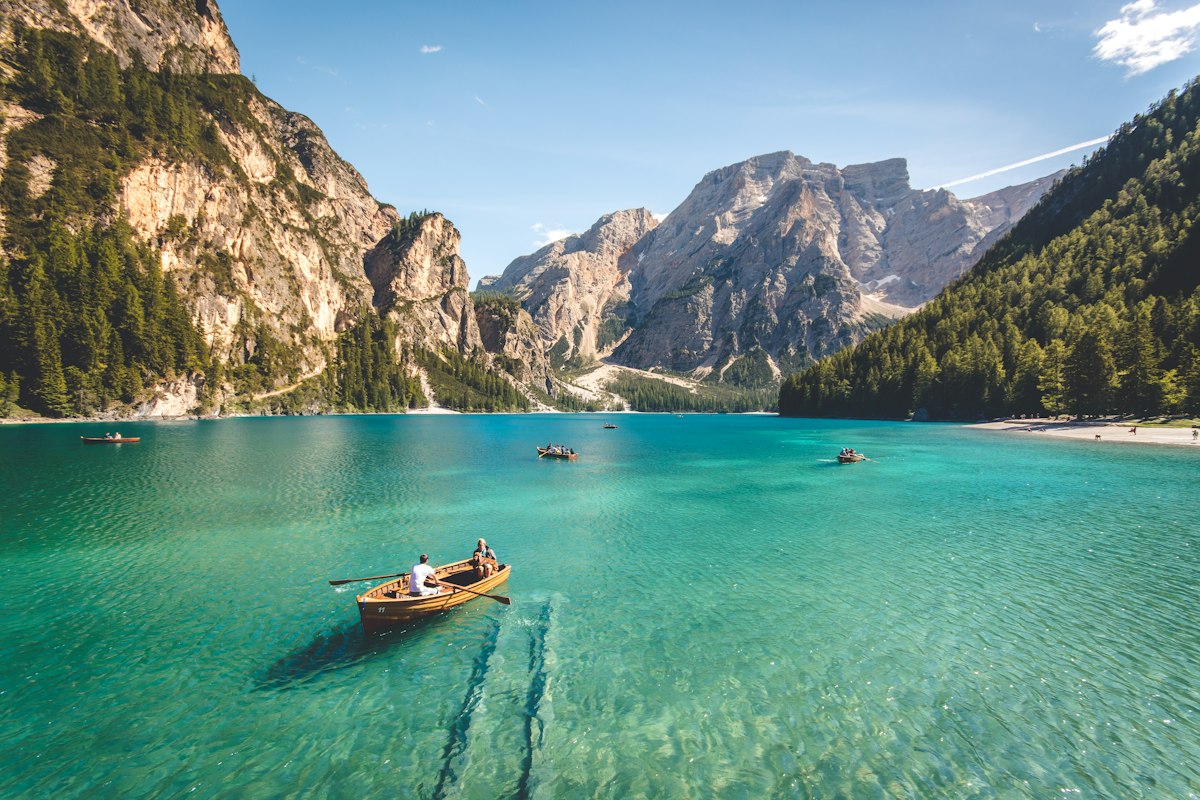
These cities represent Alaska’s primary economic and population centers, supporting government, transportation, and resource-based industries.
All Alaska Cities and Communities (Expanded List)
This expanded list highlights cities and communities across Alaska, reflecting its remote settlements and regional diversity.
- Anchorage
- Fairbanks
- Juneau
- Sitka
- Kenai
- Kodiak
- Wasilla
- Ketchikan
- Palmer
- Homer
- Bethel
- Utqiagvik (Barrow)
- Nome
- Valdez
- Cordova
- Dillingham
- Unalaska (Dutch Harbor)
- Seward
- Petersburg
- Wrangell
- Skagway
- Haines
- Hooper Bay
- Chevak
- Fort Yukon
- Galena
- Kotzebue
- Soldotna
- North Pole
- Eagle River
Economic Drivers in Alaska
Energy production, particularly oil and natural gas, is the foundation of Alaska’s economy. The state plays a critical role in U.S. energy supply through its natural resource reserves.
The fishing and seafood industry is globally significant, with Alaska providing a large share of the nation’s seafood exports.
Tourism is a major contributor, with visitors attracted to glaciers, wildlife, and national parks.
Logistics and transportation are essential due to Alaska’s remote geography, relying heavily on air and maritime systems.
Mining and natural resource extraction also contribute to economic activity in certain regions.
Regional Economic Landscape
Anchorage is the largest city and economic hub, supporting transportation, logistics, and business services.
Juneau, the state capital, focuses on government and tourism.
Fairbanks supports energy, military, and research activities.
Coastal and remote regions depend on fishing, resource extraction, and local economies.
What Tourists Look for in Alaska
Alaska is known for its natural beauty and wilderness experiences.
Visitors come for glaciers, wildlife, and scenic landscapes.
Cruise tourism is popular along coastal regions.
Outdoor activities include hiking, fishing, and exploring national parks.
Why Alaska Matters in 2026
Alaska’s importance lies in its natural resources, particularly energy and seafood. Its strategic location and environmental significance also contribute to its national importance.
Despite its remote location, Alaska remains a key contributor to energy, resource industries, and tourism.
Internal Links
USA States Directory | Alaska State Page
Frequently Asked Questions
What are the largest cities in Alaska?
Anchorage, Fairbanks, and Juneau are the largest cities.
What drives Alaska’s economy?
Energy, fishing, tourism, logistics, and natural resources are key sectors.
Why do tourists visit Alaska?
Visitors come for glaciers, wildlife, cruises, and outdoor adventures.